









Your audience doesn’t need fewer options. They need the right ones. Here’s how to structure your HeyLink.me page so every link has a purpose.
When it comes to your link-in-bio page, there’s one question creators, influencers, and business owners often ask: How many links should I actually include?
Too few links, and you might miss opportunities to share your content, products, and services. Too many, and your page can become overwhelming, making it difficult for visitors to figure out where to click.
So, what’s the right balance?
At HeyLink.me, we’ve explored how link page structure, content organization, and clear calls to action can influence the way visitors interact with a page. While there’s no universal number that guarantees more clicks, there are practical ways to organize your links for a smoother user experience.
Is There a Perfect Number of Links?
Let’s get one thing clear: There isn’t a magic number of links that works for every creator or business.
A photographer, a musician, an online coach, and an e-commerce brand may all need completely different link structures. Your page should reflect what you want your visitors to do.
However, the number of links isn’t the only thing that matters. The more important question is: Can your visitors quickly understand what matters on your page and find the link they’re looking for?
Imagine someone discovers your Instagram profile and clicks your bio link. They’re interested in your content, but they don’t necessarily want to spend several minutes searching through your page.
They might want to:
- Watch your latest video.
- Buy your product.
- Book a consultation.
- Read your latest article.
- Follow you on another platform.
If all these options are presented without a clear structure, visitors may struggle to identify their next step. The goal isn’t to fill your page with links. It’s to make every link useful.
More Links Aren’t the Problem. Poor Organization Is.
Imagine visiting a page with ten buttons, all looking equally important. Where do you click first?
Now imagine the same page with a clear structure:
Featured offer
Your main product, service, or current campaign.
Explore more
Portfolio, latest content, newsletter, or additional resources.
Find me online
Social media and other platforms.
The second approach helps visitors understand what matters and where to go next.
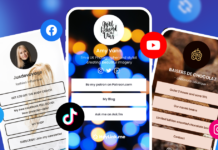
With HeyLink.me, you can bring your important destinations together in one customizable page, using sections, visuals, and different content blocks to create a more organized experience.
You don’t need fewer links just for the sake of having fewer links. You need a page that makes them easy to understand.
How to Find the Right Number for Your Page
Instead of following a fixed rule, ask yourself:
1. What is my primary goal?
Do you want visitors to buy, book, subscribe, or explore your content?
2. Which links matter most to my audience?
Prioritize destinations that support your current content and objectives.
3. Are my links organized clearly?
Use meaningful labels, sections, and visual hierarchy to help visitors find what they need.
4. What does my analytics tell me?
Track link engagement and review which destinations are relevant to your audience. A link with fewer clicks can still be valuable if it supports your main business goal.
Instead of asking only, “How many links should I have?”, consider asking:
- Which links receive the most clicks?
- Which important links receive little attention?
- Does a new campaign change visitor behavior?
- Are visitors engaging with the content you prioritize?
- Which destinations support your current goals?
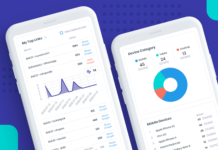
HeyLink.me offers analytics features that can help you monitor link performance, depending on your plan and configuration.
The 5–10 Link Range: A Useful Starting Point, Not a Rule
For creators who want a practical starting point, 5–10 purposeful links can be a reasonable range to experiment with.
This is a planning guideline, not a scientifically established ideal or a result we can claim applies to every HeyLink.me user.
Why can this range be useful?
It may offer enough space to represent different aspects of your work while encouraging you to prioritize what matters most.
For example:
| Creator type | Potential link structure |
|---|---|
| Content creator | Latest video, main platform, newsletter, collaborations, store |
| Photographer | Portfolio, booking, packages, testimonials, Instagram |
| Coach | Services, booking, free resource, testimonials, social profiles |
| Small business | Shop, featured product, contact, location, social profiles |
| Musician | Latest release, streaming platforms, tour dates, merch, social media |
These examples illustrate how a page can accommodate different needs without requiring every user to follow the same template.
Some creators will benefit from fewer links. Others will need more. The right choice depends on the content they’re sharing and the actions they want visitors to take.
Your link page should evolve as your priorities change. Update it for new launches, campaigns, services, and content. The best link-in-bio page isn’t the one with the most links. It’s the one that helps your audience find what matters.